

Exosome treatment
We consider exosome treatment among supportive options for skin quality and the scalp. During the examination, we determine suitability based on the cause of your concern, skin structure, and the product's intended use.
On this page 12 sections
- 01Overview
- 02Exosome structure and differences from stem cells
- 03Sources and intended uses of exosome products
- 04Ask the assistant
- 05Which features of skin quality are examined?
- 06The scalp and hair loss
- 07How is exosome treatment performed?
- 08Who is it unsuitable for?
- 09Planning with PRP, polynucleotides, and other procedures
- 10Examination and general care after treatment
- 11Frequently asked questions
- 12Related treatments
Exosome treatment involves using materials obtained from small vesicles released by cells for the skin or scalp. The name refers to structures involved in communication between cells. In cosmetic use, the product’s composition, suitable application area, and method of application are explained separately.
You may be researching this treatment because of fine lines, skin texture, or thinning hair. During the consultation, we listen to the change that bothers you and try to understand its cause by examining your skin or scalp. We discuss exosomes based on these findings, explaining the target area and the limits of the treatment.
Exosome structure and differences from stem cells
Cells release small, membrane-bound vesicles as they communicate with their surroundings. Exosomes are one group of these vesicles and may carry proteins, fat-like molecules called lipids, and RNA. RNA is a molecule involved in the use and regulation of information within a cell. The contents carried by these vesicles participate in communication that influences how other cells function.
An exosome is not a cell and is not defined as a structure that reproduces independently or develops into another cell type. Exosome treatment is neither a stem cell transplant nor a “stem cell treatment.” Using a stem cell culture to prepare a product does not mean that stem cells are administered to the person during the procedure.
Cell culture means growing cells in a laboratory environment. Vesicles released by cells in this environment can be separated and used to prepare a product. The entire culture fluid, purified vesicles, and mixtures containing different molecules do not describe the same material. For this reason, the exosome label alone is not enough to understand a product.
Sources and intended uses of exosome products
Products offered as exosomes for cosmetic use may come from human cell cultures, plants, or animals. The term exosome-like vesicles is also used for structures obtained from plants. The molecules carried and the way a product is prepared may vary with its source. Knowing a product’s source alone does not establish where or how it can be applied.
Purification involves separating vesicles from other components in the environment from which they are obtained. In addition to vesicles, a ready-made product may contain a carrier fluid or other supporting ingredients. Composition documents, manufacturing information, and instructions for use are part of product selection. All ingredients in the formulation, as well as the source, need to be reviewed in relation to known allergies.
Some products are offered for topical application, while others are presented for different forms of use. Selection takes account of the intended purpose and application method specified in the product’s registration information. A material prepared for the skin surface is not considered suitable for injection. The word exosome on the packaging does not replace the instructions for use.
AI responses do not replace a medical diagnosis. Compliant with Turkish data protection law.
Which features of skin quality are examined?
Skin quality includes features such as surface texture, fine lines, hydration, and the appearance of pores. These can vary between areas in the same person. Products containing exosomes may be considered as a supportive option in a plan for these findings when a suitable product and application method are selected. The target is described in relation to the skin feature identified during the examination.
Pores are openings associated with hair follicles and sebaceous glands. Oil production, skin structure, and the direction of light can affect their appearance. When someone seeks advice about pores, surface oiliness, fine lines, and scars are recorded separately. The aim of a skin quality treatment is not defined as completely eliminating these anatomical openings.
Tissue changes associated with acne scars can create depressions or an uneven surface. An area with only a change in color is a different finding from a scar that forms a depression in the skin. The shape and depth of the scar and the presence of active acne affect treatment selection. The place of exosomes in this plan is explained alongside the other procedures the scar requires.
You can describe the roughness you feel on your cheek separately from a fine line you see in the mirror. During the examination, we record the location and distribution of your concern and how it relates to skin structure. We also listen if you would like a change in facial shape or volume. This helps us show which area is covered by the goal for the skin surface.
A substantial proportion of exosome research is at the laboratory or early clinical stage. Products being studied for skin quality and the scalp differ in their sources and application methods. More research is needed to understand long-term outcomes. Current knowledge is considered in relation to product characteristics and individual findings, without assuming that all exosome products will produce the same result.
The scalp and hair loss
The cause of hair loss is investigated first. Iron deficiency, thyroid disorders, hormonal changes, and hereditary hair loss may require different approaches. Scalp conditions can also accompany hair loss. Exosome treatment does not replace treatment for the cause of hair loss; it may be discussed as a supportive option when suitable.
A widening part, thinning at the crown, and a localized bare patch are different findings. The examination looks at hair shaft structure, the distribution of thinning, and the appearance of the scalp. Tests or a dermatology assessment may be needed according to the medical history. Clarifying the diagnosis takes priority over choosing the same product for every hair concern.
The visible hair shaft grows from the hair follicle within the skin. Shaft breakage and shedding from the root can have different causes and can both create the impression of less hair. When a scalp procedure is considered, the structure related to the concern is explained. Hair transplantation, which moves hair follicles to another area, is a separate procedure.
At the consultation, you can describe where you noticed hair loss, any previous diagnosis, and the hair products you use. We also review any test results and records of previous procedures you have. When discussing suitability for exosomes, we explain which area of the scalp is being targeted. Knowing what your current treatment involves helps us determine where a new procedure might fit within that plan.
How is exosome treatment performed?
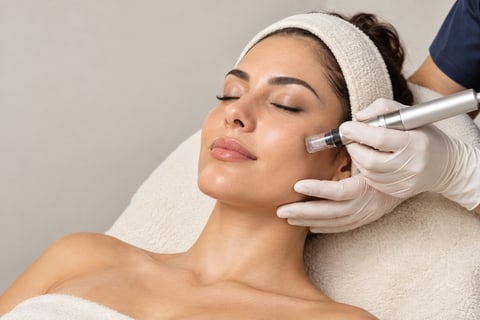
Depending on the product and application area, methods include application to the skin after microneedling or small injections using mesotherapy techniques. Microneedling means creating small channels in the skin with fine needles. In mesotherapy, the selected material is delivered into the tissue through small injections. These methods can only be used if the product is suitable for that form of application.
The method is determined during the examination according to the product, area, and skin structure. Once the application area is selected, skin cleansing and preparation follow the planned method. Thin facial skin and the structure of the scalp may require different application patterns. The product’s recommended purpose and suitability for the area are explained separately from the name of the method.
The session plan is determined during the examination. When explaining the plan, we describe the concern for which exosomes are being considered, the characteristics of the product to be selected, and the treatment area. If a procedure has already been performed in the same area, we also take its contents into account. At the consultation, you can ask whether the treatment you have in mind involves a topical product or an injection.
Who is it unsuitable for?
Cosmetic exosome treatment is postponed during pregnancy and breastfeeding. An active infection or a flare-up of a skin condition in the application area prevents treatment in that area. The existing skin finding first requires diagnosis and treatment. The wish to change skin quality alone is not enough to decide on treatment in these circumstances.
Bleeding disorders and blood thinner use are health details that affect suitability. The name of the medication and the condition for which it was prescribed should be shared during the examination. The treatment decision is based on this information and the selected method. Medications should not be stopped independently for exosome treatment; if a change is needed, the relevant physician arranges it.
A history of cancer or ongoing cancer treatment, autoimmune disease, and allergies to product ingredients are also examined separately when determining suitability. Autoimmune disease describes conditions in which the immune system targets the body’s own tissues. In these circumstances, a decision requires consideration of the particular condition, current treatments, and the product’s instructions for use. A known allergy to an ingredient may rule out a product.
Planning with PRP, polynucleotides, and other procedures
PRP is platelet-rich plasma prepared from a person’s own blood. Platelets are small blood components involved in clotting and communication between cells. Exosome treatment uses a ready-made product whose source, preparation, and composition are determined during manufacturing. The fact that these materials may be considered for the same skin or hair concern does not mean they are interchangeable.
Polynucleotide products contain DNA-derived chains. Skin booster products containing hyaluronic acid use the molecule’s ability to retain water to target skin hydration and surface quality. Exosome contents differ from these groups of molecules. Mesotherapy describes a method of administering small injections rather than the name of the material used, so the material must be specified separately.
Procedures such as microneedling, laser, or plasma may be included in the same plan according to the skin findings. Exosomes may be considered as a supportive option when this is consistent with the product’s intended use. The tissue targeted, application area, and sequence of the procedures are determined separately. Inclusion in one plan does not mean that all procedures will be applied to the same area in the same way.
Examination and general care after treatment
During your consultation with Dr. Hakan Bulam, you can point out the skin or scalp feature you would like to change. We listen to your history of procedures, the products you use, and your health information, then explain which examination finding corresponds to your expectations. For example, we ask different questions about cheek surface texture and thinning along the part. We plan treatment selection according to these findings and the product’s intended use.
If you do not remember the name of a previous treatment, you can share any product document or treatment record you have. These records help us distinguish between materials used, particularly in the same area. We ask separately about topical skin care products and injections administered into the skin to complete the information about the product and its application method.
Care after treatment involves keeping the area clean, avoiding rubbing unless advised by the physician, and protecting it from the sun. The selection of a sunscreen and cleanser suitable for the skin is adjusted to the procedure performed. The physician provides guidance on makeup, exercise, and sauna use. This guidance also covers whether home skin care products are suitable for the treated area.
Last updated: · Op. Dr. M. Hakan Bulam
Frequently asked questions
What is an exosome?
An exosome is a small, membrane-bound vesicle released by cells. It participates in communication between cells through the molecules it carries, such as proteins, lipids, and RNA.
Is exosome treatment a stem cell treatment?
Exosome treatment is neither a stem cell transplant nor a stem cell treatment. Exosomes contain no cells; the term describes vesicles released by cells.
Are all exosome products the same?
Products may differ in their source, purification method, composition, and intended use. Materials derived from human cell cultures, plants, or animals are not considered the same product.
Which skin concerns might exosome treatment be considered for?
It may be considered as a supportive option for surface texture, fine lines, the appearance of pores, and tissue changes associated with acne scars. Suitability depends on the cause of the concern and the selected product's instructions for use.
Can exosomes be used for every type of hair loss?
The cause of hair loss is investigated first. Exosome treatment does not replace the approach needed for iron deficiency, thyroid disease, hormonal changes, or hereditary hair loss.
Are exosomes applied to the skin or injected?
Depending on the product, options include application to the skin after microneedling or small injections using mesotherapy techniques. A product whose registration permits only topical use is not considered suitable for injection. The method is determined during the examination according to the product, area, and skin structure.
What is the difference between exosomes and PRP?
PRP is platelet-rich plasma prepared from a person's own blood. Exosome treatment uses a ready-made product whose source and composition are determined during manufacturing.
Do exosomes have the same composition as polynucleotides or skin boosters?
Polynucleotides contain DNA-derived chains. Skin booster products containing hyaluronic acid target skin hydration and surface quality. Exosomes are membrane-bound vesicles and differ in structure from these materials.
What is the difference between exosomes and mesotherapy?
Mesotherapy is a method of administering selected materials through small injections. The term exosome describes the material; the product's suitability for use in mesotherapy is checked separately.
Who is exosome treatment unsuitable for?
Cosmetic treatment is postponed during pregnancy and breastfeeding and is not performed in areas with an active infection or a flare-up of a skin condition. Bleeding disorders, blood thinner use, a history of cancer or ongoing cancer treatment, autoimmune disease, and allergies to product ingredients are examined separately when assessing suitability.
Can exosomes be included in the same plan as laser, microneedling, or plasma procedures?
Depending on the skin findings and the product's intended use, exosomes may be considered as a supportive option in the same plan as these procedures. Their sequence and application areas are determined separately.
How is an exosome session plan determined?
The session plan is determined during the examination. We base it on the skin concern or the cause of hair loss, the treatment area, and the product's conditions of use.
What information can I share at an exosome consultation?
You can share information about previous skin and hair procedures, products you use, medications, and known medical conditions. During the skin or scalp examination, Dr. Hakan Bulam explains which finding corresponds to your expectations.
How is skin care arranged after treatment?
Keeping the area clean, avoiding rubbing unless advised by the physician, and protecting it from the sun are part of general care. The physician provides guidance on makeup, exercise, sauna use, and skin care products according to the procedure.
Related treatments
Often considered together
-
-
-



Arrange a consultation.
Leave your details or message on WhatsApp so the clinic can contact you. If you live far away, you can request an online assessment using your photos.