

Lip fillers
We use lip fillers to define lip contours, add volume, and correct certain differences in shape. We choose filler placement according to your lip structure and the balance between the upper and lower lips.
On this page 12 sections
- 01Overview
- 02Lip anatomy
- 03The change you would like
- 04Ask the assistant
- 05Examination and suitability
- 06Hyaluronic acid and filler selection
- 07The filler procedure
- 08Lip shape and facial proportions
- 09Lines around the lips and Botox
- 10Distinguishing lip lifts and biostimulators
- 11Frequently asked questions
- 12Related treatments
Lip fillers are a non-surgical treatment for adding fullness to the lips. We use them to define lip contours, shape the lips, and add volume. We can also use fillers for certain imbalances between the upper and lower lips or asymmetries within the lips, meaning differences in shape between the two sides.
The outer border and fullness of the lips form a distinct shape in each face. When using fillers, we aim to preserve this structure and create fullness that suits your face. You can begin the consultation by describing whether you would like to change the border, volume, or difference between the right and left sides.
Lip anatomy
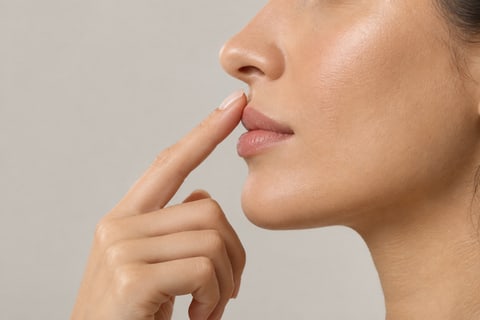
A defined border separates the red part of the lip from the surrounding skin. The small peaks at the center of the upper lip and the dip between them create a bow shape along this line. Defining the border with filler can be planned separately from adding volume to the body of the red lip. If the change you want is limited to this border, you can also explain whether you expect the entire lip to become fuller.
The front view shows lip width, relative fullness of the upper and lower lips, and differences between the right and left sides. The side view shows forward projection and the lips’ relationship to the base of the nose and the chin. These views provide different information for filler distribution. Wanting a more visible red lip from the front may differ from wanting more forward projection in profile.
The ring-shaped muscle around the mouth helps close and project the lips and contributes to speech movements. The red lip forms a transition between the externally visible surface and the moist inner surface of the mouth. The positions of these surfaces and the soft tissue beneath them contribute to fullness. Volume planning considers muscle movement and the anatomy of the lip border.
The philtrum is the groove at the center of the skin between the base of the nose and the red upper lip. The length of this area and the volume of the red lip are separate features. Filler adds volume to tissue; it does not surgically shorten the skin distance above the upper lip. During the examination, this distinction can help explain which feature a request for fuller lips concerns.
The change you would like
With lip fillers, we can target definition of the outer contour, fullness, or the shape of a particular part. If you would like more noticeable fullness, you are welcome to share that expectation too. When choosing filler placement and the extent of treatment, we consider how the change you want relates to your existing lip structure.
For a volume difference between your upper and lower lips, we show which part could be supported. For asymmetry between the right and left sides, we select filler placement according to where the difference lies. Our aim is to plan the shape change you describe within your lips’ own contours.
Projection is the term used for how far the lip extends forward. The height of the red lip visible from the front and its forward projection in profile are different features. The position of the upper lip relative to the base of the nose and of the lower lip relative to the chin contribute to the profile. During the examination, these features help explain what the desired fullness means from the front and side.
Differences between the right and left sides of the lips may involve volume or muscle movement. A difference in height during smiling may not be visible with the mouth closed. This movement is considered when selecting the side where volume might be added. Support from the teeth and jaw structure is also considered when interpreting differences in shape.
AI responses do not replace a medical diagnosis. Compliant with Turkish data protection law.
Examination and suitability
The shape of the lips with the mouth closed changes during speech and smiling. Movement of surrounding muscles affects the visibility of the red lip and the position of the lips relative to each other. These movements are observed during the examination to identify the tissue area targeted by filler. A photograph at rest may not fully show the shape change you notice when speaking.
If you have records of previous lip fillers or other lip procedures, you are welcome to bring them to the consultation. The injected material and its location guide the hands-on examination and interpretation of lip shape. Current illnesses and medications also contribute to the assessment of filler suitability. Mentioning any material you cannot recall helps keep the new plan from relying on uncertain information.
We do not perform lip filler treatments during pregnancy or breastfeeding. We assess suitability based on your lip structure and the change you would like. During the consultation, you can point to the part of your own lip where you would like more fullness.
How the lips meet at rest, tooth visibility, and the position of the mouth corners are part of the examination. A lip that appears turned inward may reflect dental support or the bite. Findings involving these structures may call for a relevant examination. A filler recommendation is explained through the area of lip tissue where volume could be added.
An active infection, open skin lesion, or active cold sore on or around the lips prevents treatment. A known allergy to the proposed ingredient and uncontrolled illnesses also affect suitability. A history of autoimmune disease is reviewed together with disease activity and current treatments. The location and materials of previous lip treatments are part of the new plan.
Hyaluronic acid and filler selection
Hyaluronic acid is a molecule found in connective tissue that binds water. Its gel form, prepared for use as a filler, can add tissue volume and support a particular contour. The consistency and flexibility of the gel chosen for the lips relate to their mobile tissue structure. A gel considered for chin support is not necessarily equally suitable for the lips.
Supporting the outer border and adding volume to the body of the red lip are different treatment targets. The center, sides, and mouth corners contribute their own shapes to the plan. Defining the center of the lip and adding volume to the sides may require different material distributions. These details explain where filler will be directed within the lip.
The filler procedure
A cannula is a thin tube that delivers filler into tissue. It can be used to distribute material within the selected layer and area.
We choose a filler with a softness appropriate for the lips. Before treatment, we explain which parts we aim to shape and where we intend to add volume. Our approach to preserving the outer lip border also guides placement. We inject filler using fine needles or cannulas.
A needle enters the selected tissue point with a sharp tip. A cannula is a blunt-tipped tube advanced through a prepared entry point and can be used to distribute material along the tissue. The choice depends on the lip layer to be reached and the boundaries of the target area. Both methods take account of the location of lip blood vessels and tissue thickness.
You can show a photograph of lips you like to describe a particular contour or fullness. Another person’s dental support, muscle movements, and facial proportions contribute to the appearance in that photograph. During the examination, outer contour definition, red lip height, and forward projection are explained through your own lip structure. Identifying which feature of the reference you want makes the discussion more specific.
The width between the mouth corners is a different measurement from fullness in the center of the lips. Volume added to the center does not change the sides or corners in the same way. Defining the part that will receive volume keeps the filler plan from being described only by the amount of material.
Lip shape and facial proportions
The appearance of the upper and lower lips is influenced by how far they turn outward as well as the height of the red portion. A fixed ratio for every face cannot describe all these features. Lower lip fullness is considered alongside chin position, while upper lip appearance is considered with the base of the nose and dental support. During the consultation, you can describe which part you would like to change rather than naming a ratio.
The center of the upper lip’s bow relates to the base of the nose and the facial midline. Fullness on the right and left sides of the lip body may be distributed differently from this center toward the mouth corners. The examination considers where prominence increases or decreases. The area considered for filler is described within these transitions as a whole.
In some people, the red upper lip is visible at rest but turns inward during smiling. The examination distinguishes how much of this appearance comes from muscle movement and how much from tissue volume. Deciding that volume is lacking from a smiling photograph alone leaves out the lip’s resting shape. When describing a request for filler, you can also mention which facial movement makes the change noticeable.
The mouth corner is the anatomical area where the upper and lower lips meet. A downward fold in the skin beside it may involve tissues other than the lip body. Jaw support, surrounding muscle movement, and skin folding are examined together in this area. Addressing every line at the edge of the lips by adding volume to the red lip may not account for the source of the fold.
Lines around the lips and Botox
Lines around the lips have dynamic features if they become more pronounced during speech or pursing. Lines also visible at rest are called static. Muscle movement and skin structure may both contribute to the same line. A wish to increase lip volume and a wish to address lines in the surrounding skin are therefore defined separately.
Botox targets muscle contraction, while fillers target tissue volume and shape. When Botox around the mouth is considered, speaking, smiling, and lip closure are part of the examination. Desired fullness and lines that become more pronounced with expression can be described as separate targets. Each treatment’s place in the plan depends on its own anatomical finding.
Distinguishing lip lifts and biostimulators
A lip lift is a surgical procedure that addresses the skin distance between the base of the nose and the upper lip. Filler adds material to tissue to provide volume and shape. These mechanisms are explained separately when discussing expectations for the visibility of the red lip. A long skin distance and a lack of volume can coexist, so each is examined separately.
Biostimulators such as poly-L-lactic acid (PLLA) and calcium hydroxylapatite target the tissue’s collagen response. They are generally not considered suitable options for adding lip volume. The material used in the lips needs to suit this mobile area’s anatomy. A material considered for cheek support is not automatically selected for the lip border.
Last updated: · Op. Dr. M. Hakan Bulam
Frequently asked questions
Can lip fillers also define the lip border?
With lip fillers, we can aim to define the outer border. We choose filler placement according to your lip structure and the contour you would like to change.
Can fillers address a difference between my upper and lower lips?
We can use fillers for certain differences in volume and shape between the upper and lower lips. We determine which part to support according to the lips’ existing structure.
Can lip asymmetry be treated with filler?
Filler may be considered for some asymmetries related to volume distribution. Differences in movement during smiling and changes related to dental support are also distinguished during the examination.
What is the difference between lip fillers and a lip lift?
Fillers add volume and shape to lip tissue, while a lip lift is a surgical procedure that addresses the skin distance between the base of the nose and the upper lip. The visibility and volume of the red lip are examined separately.
Are lip fillers injected with a needle or a cannula?
We inject lip fillers using a fine needle or cannula. Before treatment, we explain the intended change in the outer border and the body of the lip.
Why is hyaluronic acid filler used in the lips?
The gel form of hyaluronic acid can be used to add volume to lip tissue and support a particular contour. Since the lips are a mobile area, the gel’s flexibility and consistency are also part of the selection.
Can I show a photograph of a lip shape I like?
You can use a reference photograph to describe a contour or fullness you like. How that shape relates to your own lip structure, dental support, and facial proportions is examined separately.
Should I mention previous procedures before getting lip fillers?
The location of previous filler and its ingredients, if known, are relevant to the examination. Sharing any treatment records you have helps interpret the existing tissue.
Who should not have lip fillers?
Lip fillers are not administered during pregnancy or breastfeeding. Conditions such as an active cold sore, an infection in the treatment area, and a known allergy to an ingredient also affect suitability.
Should fillers or Botox be considered for lines around the lips?
The choice depends on how much muscle movement and tissue volume contribute to the line. Botox targets muscle contraction, while fillers target volume and shape. Speech and the ability to close the mouth are also part of the examination.
Can I have a preliminary lip filler consultation from abroad?
If you wish, you can begin with an online preliminary consultation using your photographs. You can tell Op. Dr. M. Hakan Bulam what you would like to change about the lip border, fullness, or balance between your upper and lower lips. The treatment plan is finalized during an in-person lip examination.
How much do lip fillers cost?
The cost of lip fillers is determined at the consultation, based on the planned procedure.
Related treatments
Often considered together
-

-
-



Arrange a consultation.
Leave your details or message on WhatsApp so the clinic can contact you. If you live far away, you can request an online assessment using your photos.