

Mesotherapy, PRP and stem cells
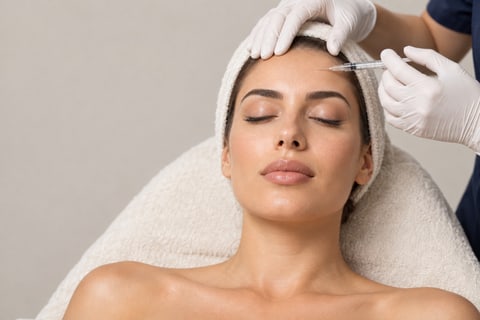
In mesotherapy, we treat the skin with fine needles. The ingredients and treatment area vary for skin dryness and fine wrinkles, support of hair follicles, and localized fat deposits.
On this page 12 sections
- 01Overview
- 02Skin treatments
- 03Selecting ingredients for mesotherapy
- 04Ask the assistant
- 05Hair mesotherapy
- 06Preparing PRP
- 07The concept of stem cells
- 08Who is suitable, and who is not?
- 09Treatment area and tissue
- 10Planning with Botox, fillers, and biostimulators
- 11Frequently asked questions
- 12Related treatments
Mesotherapy (intradermal injection) is a treatment method in which various substances are delivered directly into the skin with very fine needles. We use different formulations for skin dryness and fine wrinkles, support of hair follicles, and localized fat deposits. You can begin the consultation by describing the change in your skin or hair that brought you in.
Treatments containing vitamins, minerals, and amino acids may fall under mesotherapy. Amino acids are the building blocks of proteins. The composition of the mixture is explained together with the tissue it is intended for and the purpose of treatment.
Skin treatments
For skin treatments, we can work over the cheekbones, on the cheeks, and on the neck. We listen to where dryness or fine wrinkles are noticeable and select the area that treatment could address. You can describe changes at the surface of your skin separately from your expectations about facial volume.
The skin surface and the distribution of fine lines help define the area being considered for injections. Widespread dryness on the cheek and a particular crease that stands out on the neck are different findings. During the examination, the relationship between the line and the skin structure is explained to clarify which feature the treatment would address.
Beneath the skin’s outer covering lies the dermis, a layer containing collagen and elastin fibers. This layer contains cells, blood vessels, and connective tissue structures. Dryness at the skin surface and volume loss in deeper tissues are different findings. An explanation of the purpose of small skin injections needs to specify the target layer and the substance used.
Lines that become noticeable when smiling or raising the eyebrows are called dynamic, while those visible with the face at rest are called static. Muscle activity may be the main factor in expression lines, while skin and supporting tissue structure may be more relevant to lines at rest. This distinction is used when defining the skin surface concern for mesotherapy. The purpose of Botox, which aims to reduce muscle contraction, is explained separately.
The thickness and movement of neck skin may differ from those of cheek skin. Superficial fine lines on the cheek are distinguished from a lack of volume beneath the cheekbone. On the neck, horizontal skin folds, muscle bands, and excess skin are also separate anatomical findings. Selection of the treatment area involves identifying which of these structures is related to the concern.
Selecting ingredients for mesotherapy
The term mesotherapy describes a method of delivering a substance into tissue through small injections. Its composition and the tissue where it is applied are specified separately. When learning about a treatment proposed for the skin or scalp, you can ask which material has been selected for which finding. This keeps the name of the method distinct from the substance used.
Hyaluronic acid is a molecule found in connective tissue that can retain water. It may also be present in some formulations injected into the skin. In a filler gel designed to shape a particular facial contour, the connections between molecules and the gel’s physical structure also contribute to its intended use. The same molecule name does not mean that the formulations will be used in the same way within tissue.
AI responses do not replace a medical diagnosis. Compliant with Turkish data protection law.
Hair mesotherapy
We apply hair mesotherapy to the scalp to support hair follicles. We select the treatment area according to where hair loss is concentrated. During the consultation, you can share where you have noticed thinning and your expectations for your hair.
The way hair loss began and its distribution guide investigation of its cause. The appearance of the scalp and changes in the hair shafts are examined together. Further assessment is carried out if the examination findings call for it. Suitability for injections depends on the cause of hair loss identified through this investigation.
The visible hair shaft and its root within the skin are separate structures. A hair follicle includes the structure where hair is produced and the surrounding cells. An injection into the scalp is not a hair follicle transplant. Moving follicles to a new area and treating tissue containing existing follicles involve different mechanisms.
Thinning at the crown, a widening part, or a limited area of hair loss may suggest different patterns of hair loss. Hair shaft thickness and scalp appearance also contribute to the diagnosis. When dermatological assessment is needed, the injection decision is made after these findings have been clarified. During the consultation, you can describe the extent of hair loss and any previous examinations.
Magnified examination of the hair and scalp is called trichoscopy. This examination can provide information about hair shaft thickness and the openings of follicles at the skin surface. Whether thinning follows a particular pattern is interpreted alongside visual examination and health history. When selecting a treatment, the visible size of an area of hair loss alone may not adequately describe the changes in the hair.
When hair density seems reduced, shedding is also distinguished from hair shaft breakage. A hair that detaches from the skin and one that becomes shorter or breaks along its shaft do not represent the same finding. Hair treatments and care habits may therefore be included in the history. Before an intradermal treatment is considered, it is clarified whether the concern involves the root or the structure of the shaft.
You can bring the results of previous hair loss investigations to the consultation. The need for further testing depends on the distribution of hair and findings in the health history. The suspected cause of hair loss is investigated rather than applying the same list of tests to everyone. Selection of a scalp injection treatment is also linked to this diagnostic information.
Preparing PRP
PRP (platelet-rich plasma) is a material prepared from your own blood. We deliver the prepared material to the treatment area with fine needles.
Plasma is the liquid portion of blood, while platelets are blood components involved in clotting. To prepare PRP, collected blood undergoes centrifugation. Centrifugation separates blood components by spinning. The plasma fraction containing concentrated platelets is set aside for treatment.
Platelets contain growth factors involved in cellular repair processes. Growth factor is a term for proteins that participate in communication between cells. These molecules are discussed when explaining the biological contents of PRP. Whether a material contains these molecules and whether it is suitable for a particular skin or hair concern are separate questions for assessment.
PRP is prepared from the person’s own blood. The preparation method affects the composition of the separated plasma fraction. Blood-related disorders and current treatments are also reviewed to determine suitability. Health history is therefore needed even when deciding about a material obtained from the person’s own blood.
For PRP use on the scalp, the diagnosis of hair loss and the condition of existing follicles are central to the assessment. For skin use, surface features and the target area are defined. Shaping a specific point on the face with gel volume is the aim of dermal fillers. Use of the prepared plasma is explained in relation to the intended biological response in the tissue.
The concept of stem cells
Stem cells can also be prepared through specialized processes and applied using this method.
Stem cells are defined by their ability to renew themselves and develop into certain cell types. Platelets are among the cellular elements of blood. PRP preparation separates the plasma fraction containing platelets; it does not obtain stem cells. The term mesotherapy also describes a delivery method rather than a type of cell.
For a treatment described as a stem cell procedure, you can ask which tissue the cells come from and how they are prepared. The nature of the cellular material, its intended use, and the person’s health affect suitability. Knowing only the treatment name without an explanation of the tissue source is not enough to describe the procedure. PRP and cellular treatments are therefore explained in terms of their own contents.
Who is suitable, and who is not?
When someone seeks advice for dryness, fine lines, or hair thinning, the source of the concern is investigated. An area with active infection or significant skin disease needs assessment of those findings first. For unexplained hair loss, the diagnosis is also established before an injection formulation is selected. Different findings, such as changes in skin color and loss of volume, are distinguished through their own examinations.
Platelet and clotting disorders, medications, and overall health are relevant when planning PRP. Known blood disorders or uncontrolled systemic diseases require a separate assessment of suitability. For mesotherapy, known allergies to the ingredients and diseases affecting the immune system are taken into account. The doctor decides whether further tests are needed based on the examination findings.
Treatment area and tissue
We do not perform these treatments during pregnancy or breastfeeding.
Medications and known medical conditions are considered when deciding whether a formulation is suitable for skin and hair treatments. Records of previously used mixtures can be shared if available. These records help establish the relationship between the proposed ingredients and previous procedures.
In mesotherapy, we deliver the selected formulation with very fine needles. Procedures for the skin and those for localized fat deposits target different tissues. Treatments for localized fat deposits target fat beneath the chin, below the buttocks, and around the waist.
In mesotherapy, fine needles reach small injection points in the selected skin area. The blunt-tipped cannula used for dermal fillers is a thin tube that distributes material along a tissue plane. This structural difference between the instruments is explained together with the target layer. The word injection in a treatment name does not mean that all methods work in the same tissue.
For localized fat deposits, the tissue targeted by injection is the fat beneath the skin. Excess skin and chin structure can contribute to the appearance of the area under the chin alongside fat. The examination distinguishes these structures to explain which tissue is related to the concern. A formulation considered for dryness at the skin surface is selected for a different purpose from a plan targeting fat tissue.
Planning with Botox, fillers, and biostimulators
Botox targets contraction of facial expression muscles, while fillers target volume and shape in a specific area. Biostimulators aim to stimulate collagen production in tissue. A mesotherapy consultation explains what the formulation contains and which layer it will be delivered into. If forehead expression lines and cheek dryness occur in the same person, the approach needed for each finding can be defined separately.
In a hair transplant, follicles are moved from a donor area to another area. Mesotherapy and PRP are considered based on the existing scalp structure and the cause of hair loss. If follicle transplantation is being considered, hair characteristics in the donor area are also examined separately. A decision about scalp injections does not include a decision about donor area suitability.
Last updated: · Op. Dr. M. Hakan Bulam
Frequently asked questions
Which facial areas can be treated with mesotherapy?
Areas for treating skin dryness and fine wrinkles include the skin over the cheekbones, cheeks, and neck. We plan treatment according to the location of the skin concern.
What is the difference between mesotherapy and PRP?
Mesotherapy describes delivering a substance into tissue through small injections, while PRP refers to platelet-rich plasma prepared from a person's blood. The names of the material and the delivery method describe different aspects of treatment.
How is PRP prepared?
PRP is prepared by separating a person's blood into its components using centrifugation. The plasma fraction containing concentrated platelets is set aside for treatment.
Are PRP and stem cells the same thing?
PRP and stem cells are different materials. PRP contains the platelet-rich portion of blood. Stem cells are defined by their ability to renew themselves and develop into certain cell types.
Where is hair mesotherapy applied?
We apply hair mesotherapy to the scalp to support hair follicles. We select the treatment area according to where hair loss is concentrated.
Are PRP or mesotherapy used for every type of hair loss?
Suitability depends on the cause of hair loss and the condition of existing follicles. Further examination may be needed based on the appearance of the scalp and the distribution of thinning.
Can hair mesotherapy replace a hair transplant?
Hair mesotherapy involves treating existing scalp tissue. In a hair transplant, follicles are moved from a donor area to another area. The need for follicle transplantation is therefore assessed separately.
What is the difference between mesotherapy and dermal fillers?
Mesotherapy describes delivering a substance into the skin through small injections. Filler gels are formulated to add volume and shape to a specific area. The presence of the same molecule in their composition does not mean the treatments have the same purpose.
What health information is needed before PRP?
Blood and platelet disorders, medications, and current treatments may affect suitability for PRP. The doctor decides whether further testing is needed based on the examination findings.
Is mesotherapy performed during pregnancy or breastfeeding?
We do not perform these treatments during pregnancy or breastfeeding. You can share this information during a consultation about your skin or hair concern.
What is the first step for PRP or mesotherapy if I live abroad?
If you wish, you can describe your skin or hair concern and previous treatments during an online preliminary consultation. Op. Dr. M. Hakan Bulam reviews your photographs and shares options that may be suitable. An in-person examination is needed to assess the cause of hair loss and skin findings.
How much does mesotherapy cost?
The cost of mesotherapy is determined at the consultation, based on the planned procedure.
Related treatments
Often considered together
-
-

-


Arrange a consultation.
Leave your details or message on WhatsApp so the clinic can contact you. If you live far away, you can request an online assessment using your photos.